Loading...

Our Services

Humanity Services of

Hindu DNA.in
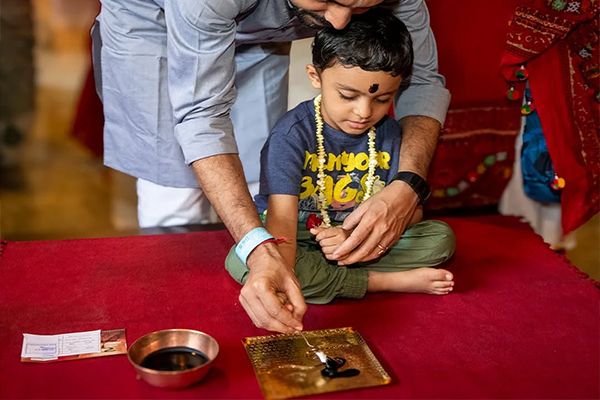
Hindu GEN-Z Education

On using ancient Dharma and Vedanta as an inner operating system for mental clarity, purpose, and self-realization in a hyper-connected world.

Read More
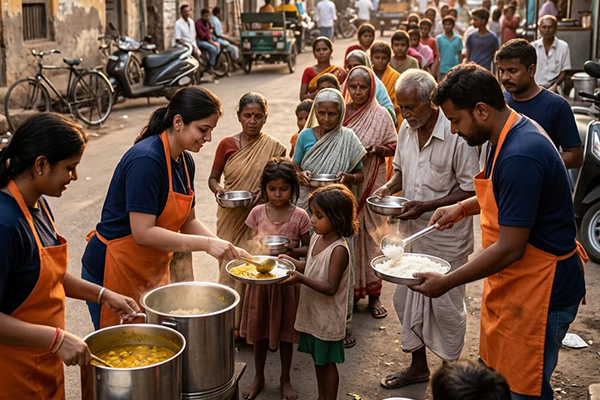
Charity Work's

HinduDNA charity work operates on the principle of Seva (selfless service) and Dana (mindful giving), viewing service to humanity as direct devotion to the Divine.

Read More

Free Medical Camp

embody HinduDNA—treating every patient as a manifestation of the Divine by providing compassionate, free healthcare as a spiritual duty (Dharma).

Read More
Religion Campaign

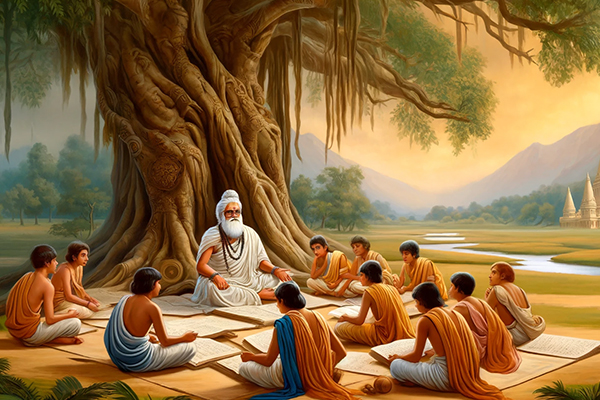
Our initiative promotes Hindu dharma through community outreach and educational programs. Inspire devotion, unity, and righteous living.

Read More

HinduDNA.IN : What Next?

Target & Accelerators

Hinduism Religion Awareness Campaign: Display posters on Hindu contributions to Healthy Lifestyle, Science, Building Inner Peace, Choose Kindness, Acceptance, Healthy Boundaries and Personal Growth. Invite young volunteers to share what “Being Hindu” means to them

Read All

Hindu the great

Hinduism stands out among world religions for its diversity, flexibility, and philosophical depth.

Unlike other MNC religion's, Hinduism has no single founder and no central religious authority.

Unlike other MNC religion's, Hinduism has no single founder and no central religious authority.

It evolved over thousands of years as a collection of philosophies, rituals, and cultural practices originating in the Indian subcontinent. Hindus draw from a vast library of scriptures—including the Vedas, Upanishads, Bhagavad Gita, Puranas, and epics like the Ramayana and Mahabharata—rather than one definitive text.

Hinduism teaches that there is one ultimate reality that is formless, infinite, and omnipresent, but this one God can manifest in ** countless forms and deities** (such as Vishnu, Shiva, Lord Murugan, Devi, Ganesha, etc.) to help devotees connect spiritually.

This is often described as "polymorphic monotheism" or "monistic polytheism"—many gods, but all expressions of the same divine essence. This flexibility allows individuals to worship in ways that resonate with them personally.

Hinduism uniquely outlines four proper aims of human life, giving a balanced framework for spiritual and material living:

Dharma – Righteous conduct, moral duties, and ethical living
Artha – Material prosperity, wealth, and career success
Kama – Legitimate desires, including love, pleasure, and artistic enjoyment
Moksha – Liberation from the cycle of birth and rebirth (samsara), the ultimate spiritual goal

Hinduism is inherently pluralistic—it accepts that many paths can lead to the divine and respects other religions as valid spiritual traditions. It does not claim exclusivity ("only our way is true") and has never been a missionary religion; conversion is not a goal. This openness is captured in the Vedic saying: "Ekam Sat Vipra Bahudha Vadanti" ("Truth is one; the wise call it by many names").